Talk to the Hand Essay
Talk to the Hand
Response to UChicago Essay Prompt
"Daddy-o", "Far Out", "Gnarly": the list of slang terms goes on and on. Sadly, most of these aren’t so "fly" anymore – “as if!” Name an outdated slang from any decade or language that you'd bring back and explain why you totally “dig it.”
– Inspired by Napat Sakdibhornssup, Class of 2028
“Talk to the hand, ‘cause I don’t wanna hear it no more.” The hands are intricate: 27 bones, 34 muscles, over 100 tendons, and then multiply that by two. The brain is often seen as humanity's greatest attribute. Sure, the brain is amazing—my expected major revolves around it—but look at those hands, and you’ll find the physical manifestation of that brain. The brain is powerful—the hands are too. They influence and convey our pain, w ho we are, and, most importantly, how we respond to our circumstances.
In middle school, my understanding of the hands was complicated. What started as a simple disagreement over a game ended with me on the ground hearing a friend scream the N-word in my face. His fist on my stomach left me silent; I had no response, no closure. The moment lingered, so I had to make peace with my discomfort by searching for my identity. Hands can knock us to the ground (physically and metaphorically); but, don’t forget, the fist also taught me Black empowerment, resilience, and self-love.
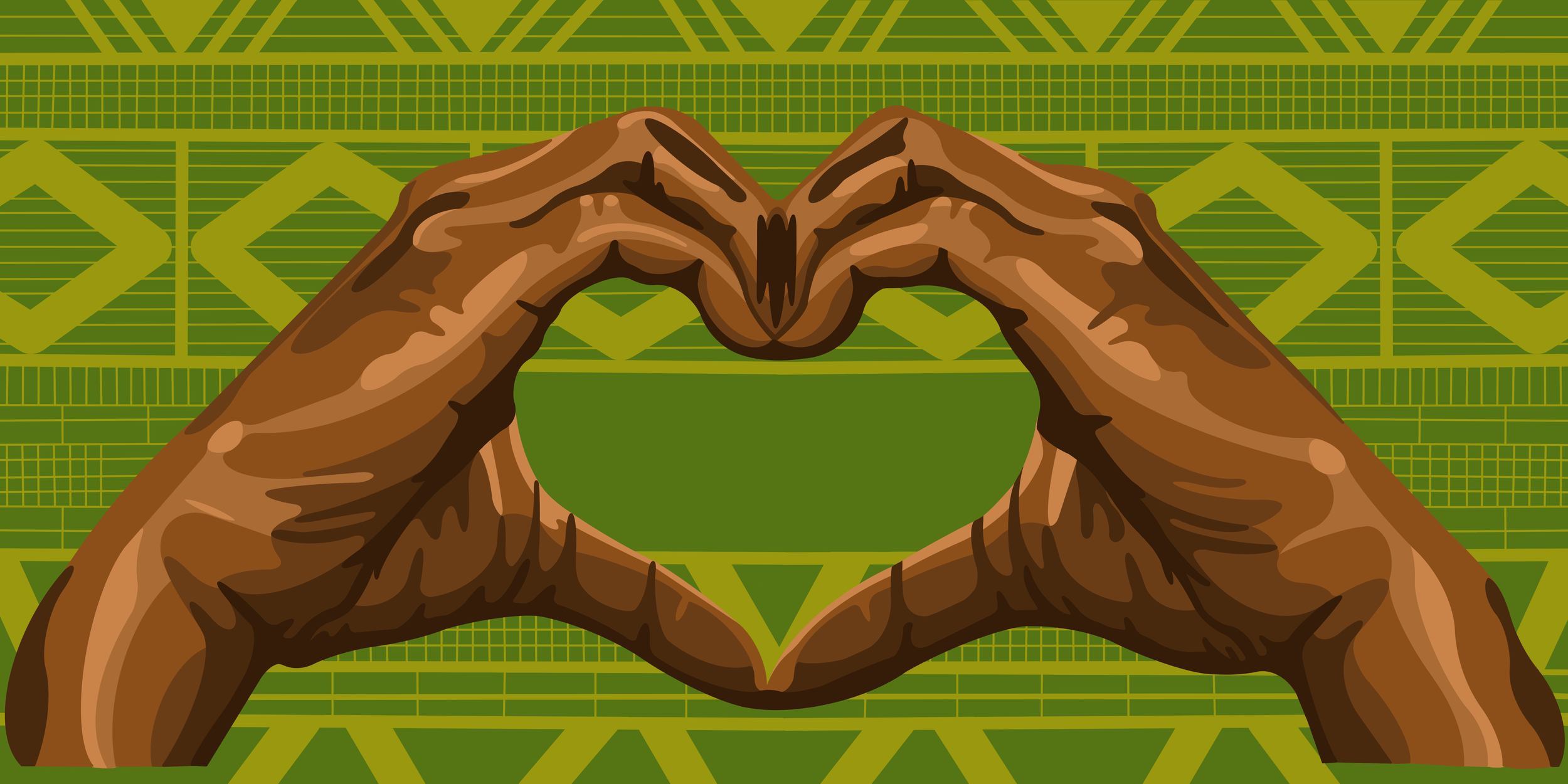
The hands are agents of social change. Messages of Black resilience spill from raised fists, love from heart-cupped hands, childhood trust from pinky promises, and unity from hands held in solidarity.
To gently correct a friend, just say, “Talk to the left hand because you know you ain’t right.” It's playful, and people respond better to discrete corrections. Nobody likes to feel targeted, especially when the mistake being corrected isn’t obvious. It isn’t an attack; it’s a reminder to check yourself, reconsider your words, evaluate your actions, and be better because of your introspection.
But when confronting an adversary, be firm: “Talk to the hand.” You are responding with your hand rather than regretting an impulsive reaction. You must keep your peace. Still, don’t underestimate the versatility of the hands. It would be a mistake to characterize them as solely a tool for aggression and defense. The hands can touch; the hands can heal; the hands can love.
Even a handshake can tell a story: are they confident and welcoming or cold and withdrawn? From the pulse of a piano to the voice of a violin, the hands make us feel; they touch us.
I want to use my hands to heal. Healing can be as simple as a fist bump or as complex as a medical procedure. I hope my hands will learn to diagnose, to inject, to suture, and to cure.
In my grandmother’s last days, she could neither see nor speak, and, considering her Alzheimer’s, it wasn’t even clear how aware she was of what was happening. However, in this emotional moment, love was expressed through touch. We squeezed each other's fingers for care and comfort, and as the squeezes stopped, her affection gave me closure.
The hands tell a story of where we come from. In a world where each person is as unique as their fingerprints, our distinct experiences are often shaped by how we use our hands. How do you wish to use your hands to build the future? Realize the power they give you…just talk to the hand.